


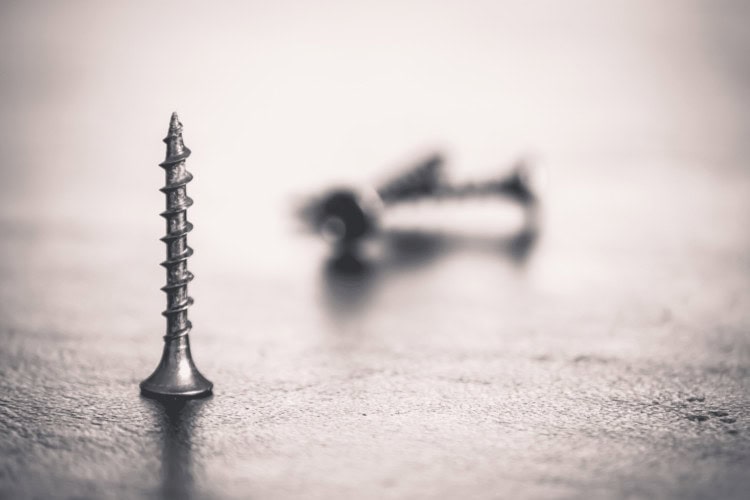
Plywood is a cornerstone in the world of DIY, woodworking, and construction. Its versatility, strength, and affordability have made it a favorite material among professionals and hobbyists alike. Choosing the Best Screws for Plywood projects can be the deciding factor in your project being a success or failure.
Whether you’re crafting a custom piece of furniture, building cabinetry, or working on a detailed craft project, plywood offers a reliable foundation that can adapt to a wide range of applications. However, the success of your plywood project doesn’t rest solely on the quality of the plywood itself. The right type of screws you choose to hold your project together play an equally critical role in determining the durability and stability of your work.
It’s a common misconception that any screw will do when working with plywood. In reality, the type of screw you select can have a significant impact on the final outcome of your project. Factors such as screw length, diameter, material, and thread type all contribute to how well the screws will perform in securing the plywood to other materials. Using the wrong type of screw can lead to weak joints, potential splitting of the wood, and a structure that may not withstand the test of time.
This comprehensive guide is to help you take the guesswork out of selecting the best screws for plywood. It’s time to explore the different types of screws that are best suited for plywood. Dive into the key factors you need to consider when making your choice, and provide practical tips to help you avoid common mistakes.
By the end of this guide, you’ll have the knowledge and confidence to choose the right screws for any plywood project and the specific applications. Ensuring that your work is not only structurally sound but also built to last.
Whether you’re building furniture, installing plywood, or tackling a woodworking project, having the right tools and materials can make all the difference. Learn how to choose the Best Sander for Removing Paint from Wood, understand the differences between a Counterbore vs Countersink, discover the Best Wood for DIY Furniture, and master How to Cut Thick Wood with a Circular Saw. These beginner-friendly guides will help you build with confidence and achieve better results on your next DIY project.
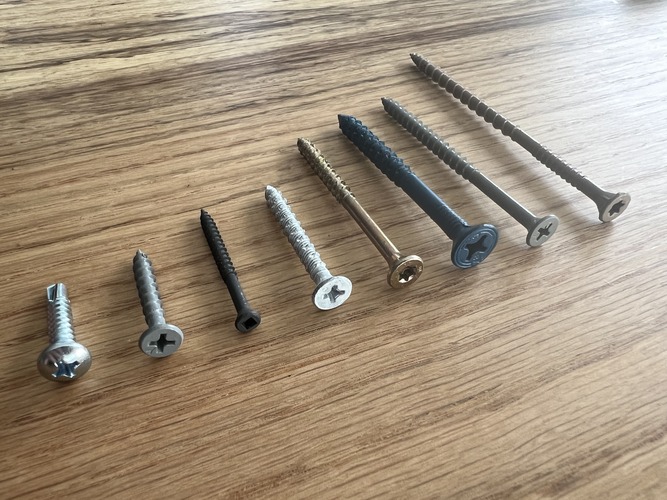
Best Screws for Different Plywood Projects
Not all plywood projects require the same type of screw. The best screw depends on where the plywood is being used and how much strength or moisture resistance the project needs.
Best Screws for Plywood Cabinets
For cabinet building, #8 wood screws are one of the most popular choices. They provide excellent holding power without being overly large for cabinet boxes and face frames.
For most cabinet projects:
- #8 wood screws
- 1-1/4 inch to 1-1/2 inch length
- Coarse threads for softwoods
- Fine threads for hardwoods
Cabinet screws are also a great option when attaching plywood cabinet boxes together because they are designed to provide strong, long-lasting joints.
Best Screws for Plywood Furniture
When building furniture from plywood, you’ll want screws that provide strength while minimizing the risk of splitting the wood.
For most furniture projects:
- #8 wood screws
- #10 wood screws for heavier pieces
- 1-1/4 inch to 2 inch length depending on material thickness
Whether you’re building bookshelves, coffee tables, storage benches, or built-ins, quality wood screws are usually the best choice for plywood furniture projects.
Best Screws for Plywood Subfloors
Subfloor installations require screws designed to withstand movement and heavy foot traffic over time.
For plywood subfloors:
- Construction screws
- Deck screws rated for structural use
- 1-5/8 inch to 2-1/2 inch lengths
Using screws instead of nails can help reduce floor squeaks and create a stronger connection between the plywood and floor joists.
Best Screws for Outdoor Plywood Projects
Outdoor projects require screws that can withstand moisture, humidity, and changing weather conditions.
For exterior plywood projects:
- Exterior-rated deck screws
- Stainless steel screws
- Ceramic-coated screws
These types of fasteners resist rust and corrosion, making them ideal for projects such as:
- outdoor furniture
- planter boxes
- sheds
- workbenches
- garden projects
Using standard interior screws outdoors can lead to rust, staining, and premature fastener failure.
Quick Reference Guide
| Project Type | Recommended Screw |
|---|---|
| Cabinets | #8 Wood Screws |
| Furniture | #8 or #10 Wood Screws |
| Subfloors | Construction Screws |
| Outdoor Projects | Exterior-Rated Deck Screws |
| Pressure-Treated Lumber with Plywood | Stainless Steel or Ceramic-Coated Screws |
Understanding Screw Types and Their Uses
1. Wood Screws
Wood screws are a staple in any woodworker’s toolbox. They are arguably the most popular choice screws when working with plywood. These standard wood screw are specifically engineered to work with wood. They feature a tapered body that gradually narrows from the head to the tip. This design allows the screw to pull the pieces of wood tightly together as it is driven in, ensuring a secure and firm hold.
The threads on wood screws are typically coarse-thread screws. They are widely spaced threads, which helps in gripping the wood fibers effectively. This wide thread provides the necessary shear strength holding power, preventing the plywood from loosening over time.
Wood screws also often have a sharp, pointed tip that allows for easy penetration into the wood. This reduces the need for excessive force when driving them in. This sharp point is particularly beneficial when working with softer woods or when quick assembly is required.
However, it’s important to note that while wood screws are versatile. They perform best when used with a pilot hole—especially in thinner plywood. Pre-drilling pilot holes not only makes it easier to drive the screw but also minimize the risk of plywood splitting. Which can compromise the strength and appearance of your project.
Best For: General woodworking and joining plywood to other wood types.
Tip: Pre-drilled holes can be the best way in preventing splitting, especially in thinner plywood.
2. Drywall Screws
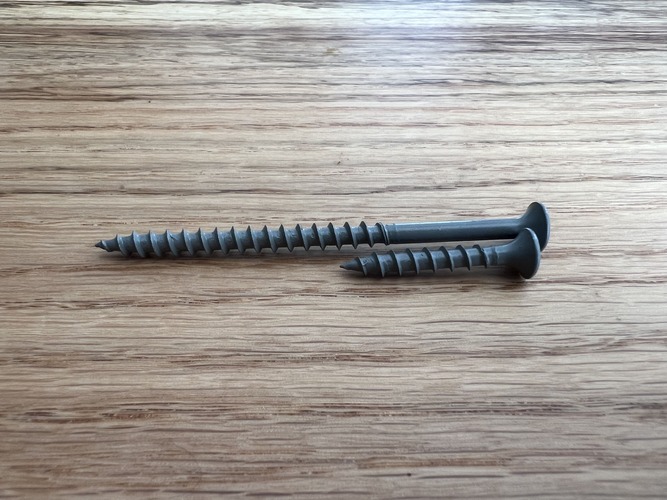
Although drywall screws are primarily designed for fastening drywall sheets to studs. They can also be used in plywood projects under specific circumstances. Drywall screws are characterized by their thinner diameter and fine thread design. This is made this way to pass through the drywall without damaging it.
However, this thin diameter also means that drywall screws are more brittle compared to wood screws. Making them less suitable for heavy-duty applications.
When used with plywood, drywall screws should be reserved for light-duty tasks where the load is not significant. Their thin profile can make them a good option for projects where you want to minimize visible holes or when working with particularly delicate materials.
Additionally, drywall screws are often more affordable, making them a budget-friendly option when cost is a concern. However, it’s important to be cautious with their use, as their brittleness means they can snap under too much pressure or in situations where the plywood is subjected to high stress.
Best For: Light-duty applications and when cost is a concern.
Tip: Use drywall screws when you need a quick, budget-friendly option, but avoid them for heavy-duty or outdoor projects.
3. Self-Tapping Screws
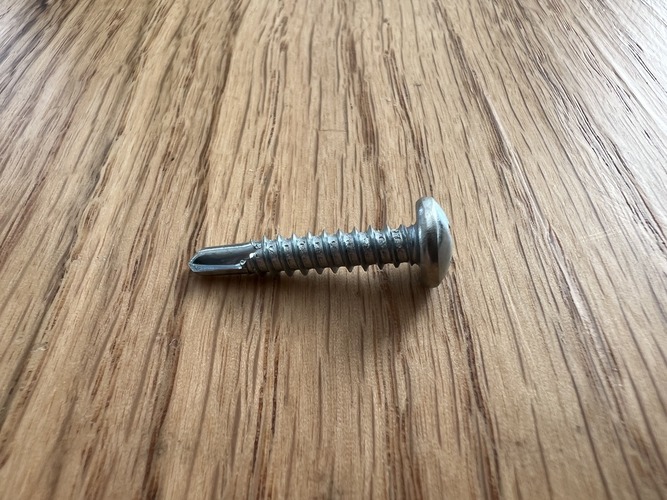
Self-tapping screws also known as Self-Drilling Screws are a versatile choice for those looking to streamline their assembly process. As the name suggests, these screws are designed to tap or create their own threads as they are driven into the material. This feature eliminates the need for pre-drilling a pilot hole. Which can save time and effort, particularly in larger projects or when working with hard-to-reach areas.
They are especially useful when working with plywood in combination with other materials, such as metal or plastic. Their ability to cut threads into harder materials makes them an excellent choice for projects that require a strong and secure hold without the added step of pre-drilling.
However, it’s crucial to ensure that the screw is aligned correctly before driving it in. Improper alignment can damage the plywood or the underlying material.
Best For: The Better Choice for Projects requiring a strong hold without pre-drilling.
Tip: Use self-tapping screws for a faster assembly process. But also ensure the screw is aligned properly to avoid damaging the edge of the plywood.
4. Deck Screws
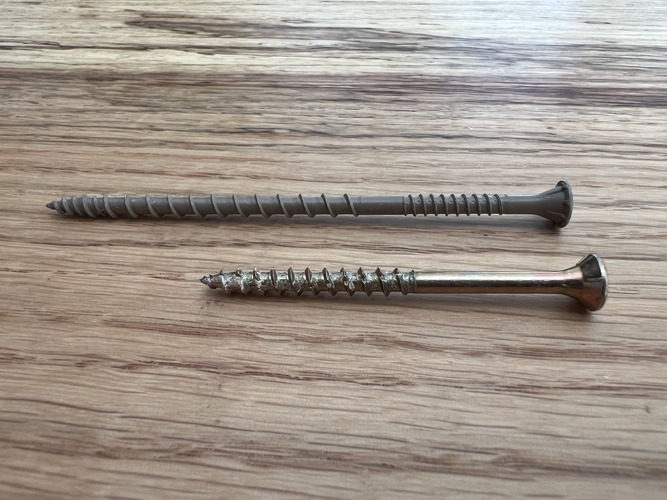
Deck screws are designed with outdoor projects in mind and are engineered to withstand the rigors of exposure to the elements. These screws are typically made from corrosion resistance materials, such as stainless steel, or are coated with protective finishes like epoxy or zinc. This makes them highly resistant to rust, moisture, and other environmental factors that could otherwise compromise the integrity of your project.
When working with plywood in outdoor settings, such as in garden furniture, outdoor structures, or decking, deck screws are an excellent choice. Their robust design ensures that the plywood remains securely fastened, even in the face of fluctuating temperatures, humidity, and precipitation.
Additionally, deck screws often feature a larger head, which helps distribute the load more evenly across the surface of the plywood. Reducing the risk of the screws pulling through the material.
Best For: Outdoor plywood projects where moisture resistance is needed.
Tip: Choose deck screws for any project where longevity and resistance to weather are priorities.
What Size Screws Should You Use for Plywood?
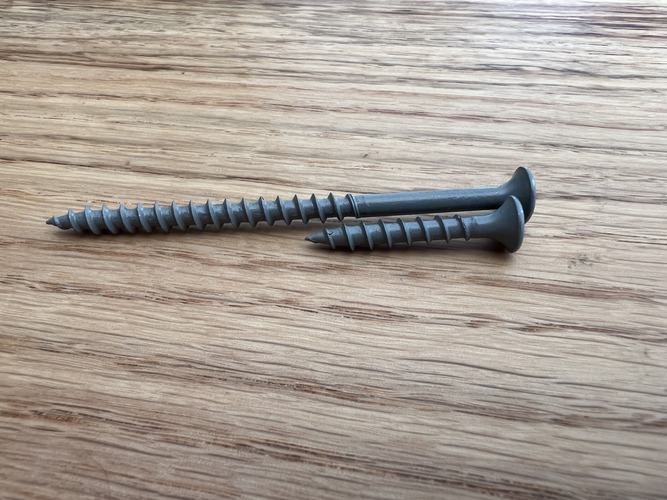
The best screw size for plywood depends on the thickness of the plywood and the type of project you’re building. Choosing the correct screw length helps create a strong connection without the screw poking through the opposite side.
As a general rule, screws should penetrate the second piece of wood by at least half its thickness.
Recommended Screw Sizes for Plywood
| Plywood Thickness | Recommended Screw Size |
|---|---|
| 1/4-inch plywood | #6 x 3/4″ to 1″ |
| 1/2-inch plywood | #6 or #8 x 1-1/4″ |
| 3/4-inch plywood | #8 x 1-1/4″ to 1-1/2″ |
| 1-inch plywood | #8 or #10 x 1-1/2″ to 2″ |
For most DIY furniture, cabinet, and woodworking projects using 3/4-inch plywood, a #8 wood screw between 1-1/4 inches and 1-1/2 inches long is a reliable choice.
Choosing the Right Length Matters
Using screws that are too short can result in weak joints that loosen over time. On the other hand, screws that are too long may split the wood or protrude through the finished project.
When in doubt, choose a screw long enough to securely hold both materials together while avoiding excessive penetration through the back side.
Screw Diameter
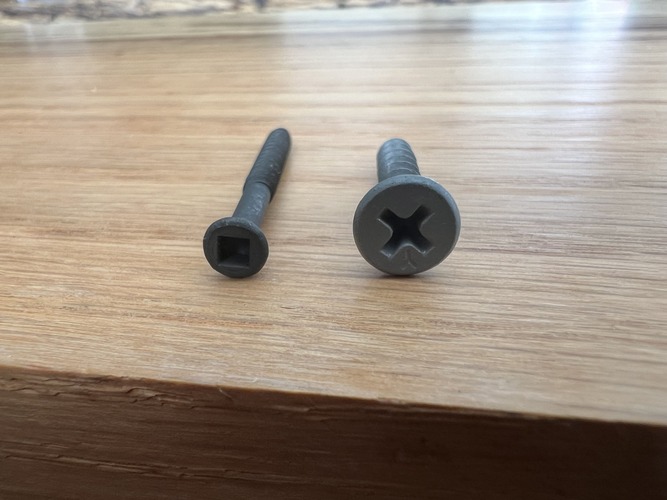
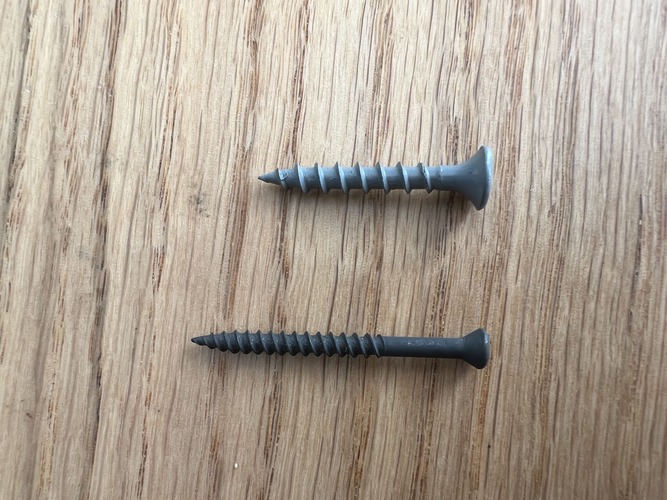
The diameter impacts the holding strength and the risk of splitting the plywood. Generally, thicker screws offer more holding power, but they may require pre-drilling to avoid splitting.
Screw Material
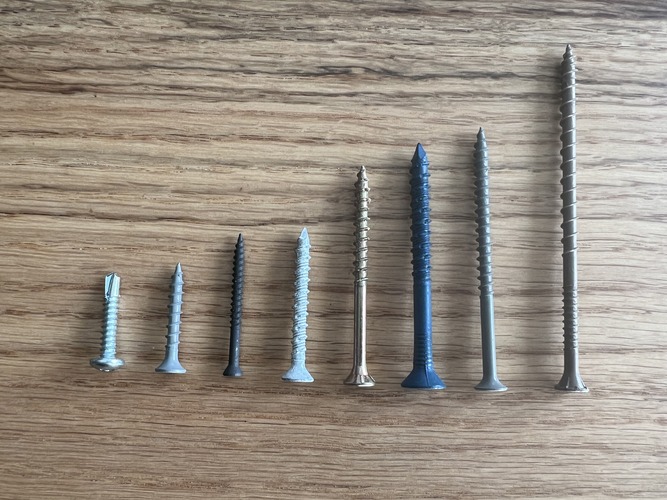
Choose screws based on the environment where the plywood will be utilized. Stainless steel or coated screws are ideal for outdoor projects due to their resistance to rust and corrosion.
Thread Type
Coarse threads are better for softer plywood, as they provide a stronger grip. Fine-thread screws are suitable for harder plywood or when working with thinner sheets.
Common Mistakes When Screwing Into Plywood
Using the right screw is only part of the equation. Even the best screws for plywood can fail if they’re installed incorrectly. Avoiding these common mistakes will help create stronger joints and a more professional-looking finished project.
Using Screws That Are Too Long
Screws that are too long can protrude through the opposite side of the plywood, creating a safety hazard and ruining the appearance of your project.
Before choosing a screw length, consider the thickness of both materials being joined and select a screw that provides a strong hold without breaking through the surface.
Using Screws That Are Too Short
Short screws may not provide enough holding power, especially for furniture, cabinets, or structural projects.
A screw should penetrate deep enough into the second piece of material to create a secure connection. Using screws that are too short can lead to loose joints that weaken over time.
Skipping Pilot Holes Near Edges
Plywood is less likely to split than solid wood, but drilling too close to an edge can still cause damage.
When installing screws near the edge of a plywood sheet, pre-drilling a pilot hole can help:
- prevent splitting
- improve screw alignment
- make installation easier
This is especially important when working with hardwood plywood or cabinet-grade plywood.
Using Drywall Screws for Woodworking Projects
One of the most common DIY mistakes is using drywall screws for plywood projects.
While drywall screws are inexpensive and easy to find, they are designed for attaching drywall to framing—not for furniture building, cabinetry, or structural woodworking.
Wood screws, construction screws, and cabinet screws are typically much stronger and provide better long-term performance when working with plywood.
Over-Tightening the Screws
Driving screws too deeply can strip the plywood layers and reduce holding strength.
Stop driving the screw once the head sits flush with the surface. Over-tightening can damage the wood fibers and weaken the connection.
Ignoring Moisture Exposure
For outdoor projects, standard interior screws can rust and stain the surrounding wood.
When building with exterior plywood, always choose exterior-rated, galvanized, stainless steel, or ceramic-coated screws designed for outdoor use.
Pro Tip
For most DIY plywood projects, a quality #8 wood screw paired with the correct screw length will provide a strong, reliable connection while minimizing the risk of splitting or damaging the plywood.
Quick Screw Selection Chart
| Project | Recommended Screw |
|---|---|
| Cabinets | #8 Wood Screw |
| Furniture | #8 or #10 Wood Screw |
| Subfloor | Construction Screw |
| Outdoor | Exterior-Rated Screw |
FAQ about choosing best screws for plywood???
For most plywood projects, #8 wood screws between 1-1/4 and 1-1/2 inches long work well. The ideal screw size depends on the thickness of the plywood and the materials being joined.
Drywall screws can be used for some temporary projects, but they are not the best choice for plywood. Wood screws, cabinet screws, or construction screws provide better holding power and are less likely to break under stress.
Pre-drilling is recommended when working near the edges of plywood or when using larger screws. A pilot hole helps prevent splitting and makes it easier to drive screws accurately.
For most plywood projects, screws should be spaced about 6 to 8 inches apart along edges and 8 to 12 inches apart in the field of the panel. Spacing may vary depending on the project and load requirements.
For outdoor plywood projects, use exterior-rated deck screws, galvanized screws, or stainless steel screws. These fasteners resist rust and corrosion, helping your project last longer outdoors.
Let’s wrap this up…
Selecting the best screws for plywood is more than a matter of convenience. Your choice directly impacts the strength, durability, and longevity of your entire project. Throughout this guide, we emphasize the importance of understanding the various types of screws—such as wood screws, drywall screws, self-tapping screws, and deck screws—and how to match each type to its ideal application.
Armed with this knowledge, you can approach your next plywood project with the confidence that you’re using the right tools for the job.
Beyond just choosing the right type of screw, it’s vital to pay attention to details like screw length, diameter, material, and thread type. These factors might seem small, but they make a significant difference in how well the screws will perform in securing your plywood. Particularly in different environments and under various conditions. For instance, opting for coated or stainless steel screws in outdoor projects can prevent rust. Ensuring that your work stands strong against the elements for years to come.
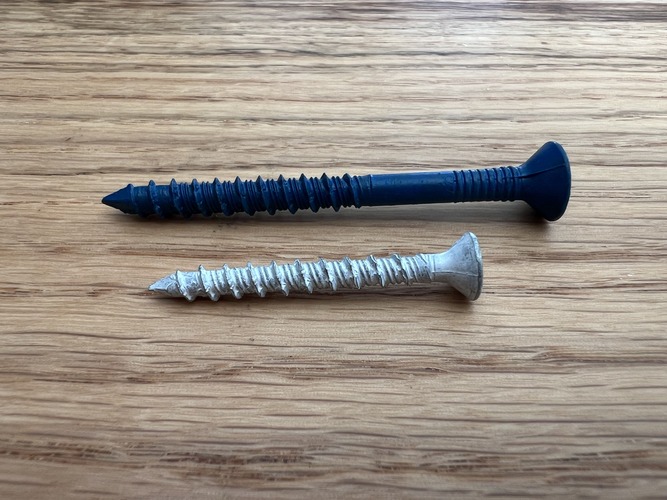
Avoiding common mistakes, such as using screws that are too short or skipping the pre-drilling process. Can save you from unnecessary frustration and ensure that your project doesn’t suffer from weak joints or split plywood. The time you invest in carefully selecting and using the right screws. Will be reflected in the quality and durability of your finished product.
Don’t underestimate the impact of choosing the right screws for your plywood projects. Whether you’re working on a small DIY project or a large-scale construction task. The right screws can make all the difference in achieving professional-quality results.
By investing in the proper screws and taking the time to understand their application. You’re setting yourself up for success, with projects that not only meet but exceed your expectations. With the right screws in hand, your plywood creations will be both strong and enduring. Truly standing the test of time.
If or when you decide to tackle your next project with the Best Screws for Plywood. I’d love for you to tag us on Instagram. So I can see your really fun recipes and DIY projects come to life!
COZY HOME, COZY RECIPES:
Every cozy home deserves amazing recipes, and it’s even better when those recipes are both delicious and healthy. Our goal is to provide tasty meals that are easy to make, regardless of your skill level.
Fast, easy meals leave more time for fun activities, making your home a hub of joy and good food.
CONNECT WITH US:
As always, we love hearing about your experiences with our “Best Screws for Plywood: A Comprehensive Guide”. Reach out to us through our social channels. Any questions you have, we’re here to answer.
Stay updated by joining our newsletter, offering a monthly dose of new recipes and a first look at upcoming projects.
MORE COZY KITCHEN RECIPES:
If you’re hungry for more, explore our collection of Cozy Kitchen Recipes. Another healthy favorite is the “Sausage Potato Veggie Bake.” Find these recipes and more here.
DIY RESOURCES:
For additional resources, check out our DIY Tutorials, offering a wealth of information to enhance your home improvement skills.
